
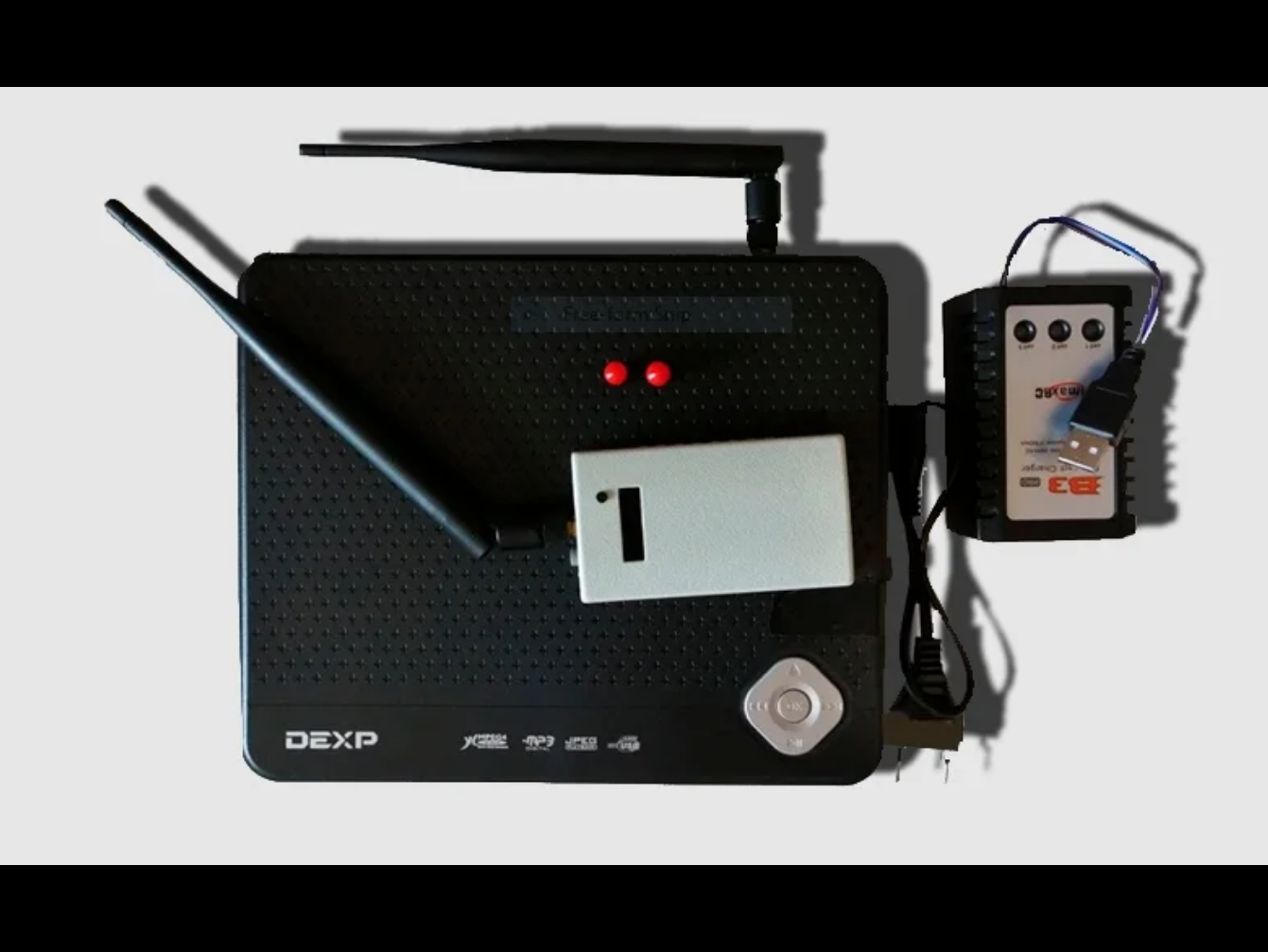
In today’s fast-paced digital world, security and convenience are paramount. Traditional access control systems, such as key-based locks and manual authentication methods, are rapidly becoming obsolete. Instead, the industry is shifting toward innovative, high-tech solutions that offer seamless, secure, and user-friendly experiences. Among these cutting-edge advancements is the New Generation Keyless Repeater With FBS4, a revolutionary device designed to redefine access control for various applications.
This comprehensive guide will explore everything you need to know about the New Generation Keyless Repeater With FBS4, including its features, benefits, technical specifications, applications, and how it compares to traditional systems. Whether you’re a security professional, a facility manager, or a tech enthusiast, this article aims to provide valuable insights to help you understand and leverage this innovative technology effectively.
1. Introduction to Keyless Repeater Technologies
Before diving into the specifics of the New Generation Keyless Repeater With FBS4, it’s essential to understand the broader context of keyless access control systems.
What Is a Keyless Repeater?
A keyless repeater is a device that extends the range and capabilities of a central access control system without the need for physical keys or traditional cards. Instead, it relies on wireless communication technologies such as RFID, NFC, Bluetooth, or Wi-Fi to authenticate users.
The Evolution of Access Control Systems
Historically, access control depended on keys, magnetic cards, or PIN codes. These methods, while effective, suffer from limitations like vulnerability to theft, duplication, and inconvenience. The advent of digital, wireless, and biometric systems has revolutionized this space, leading to the development of keyless repeaters that facilitate remote, contactless, and secure access.
2. What Is the New Generation Keyless Repeater With FBS4?

The New Generation Keyless Repeater With FBS4 is an advanced wireless device designed to amplify and extend the functionalities of modern access control systems. It integrates seamlessly with Android applications and leverages the FBS4 (a smart communication module) to provide a reliable, secure, and user-friendly experience.
Overview
This device acts as a bridge between user credentials (such as NFC cards, smartphones, or biometric devices) and access points like doors, gates, or vehicle entry systems. It supports multiple authentication methods, ensuring versatility across different setups.
Core Components
- FBS4 Module: The heart of the system, enabling robust communication and control.
- Wireless Connectivity: Supports Bluetooth, Wi-Fi, or other wireless protocols.
- Android App Integration: Users can manage, configure, and operate the device via an intuitive app.
- Keyless Entry Mechanism: Eliminates the need for physical keys, replacing them with digital credentials.
3. Core Features and Benefits
Key Features
- Multi-Method Authentication: Supports NFC, RFID, Bluetooth, and biometric verification.
- Extended Range: Amplifies signal reach for larger premises or complex setups.
- Wireless Control: Easily managed through Android devices.
- High Security: Incorporates encryption protocols to prevent hacking or duplication.
- Remote Management: Update access permissions remotely and in real-time.
- Easy Installation: Compact design that integrates into existing infrastructures.
- Compatibility: Works with various access control hardware and the FBS4 platform.
Benefits
- Enhanced Security: Reduces risks associated with physical keys and cards.
- Convenience: Quick, contactless access for authorized users.
- Cost-Effective: Eliminates the need for extensive wiring and physical key replacements.
- Scalability: Suitable for small setups and large enterprises.
- Audit Trail: Maintains logs of access activities for security monitoring.
- User Management: Simplifies adding or removing users remotely.
4. How Does the FBS4 Module Enhance Security?
The FBS4 module is a pivotal component that elevates the security standards of the keyless repeater system. It incorporates advanced cryptographic algorithms, secure communication protocols, and real-time monitoring capabilities.
Key Security Features
- Encrypted Communication: Ensures data transmitted between devices is secure.
- Access Control Management: Supports role-based permissions.
- Tamper Detection: Alerts administrators if the device is tampered with.
- Audit Logs: Maintains detailed records of access attempts, successful or failed.
- Firmware Updates: Regular updates to patch vulnerabilities and improve functionality.
Why Is FBS4 Critical?
The FBS4 module’s robust security architecture makes it suitable for sensitive environments such as corporate offices, government facilities, and data centers. Its compatibility with Android apps simplifies management and enhances user experience.
5. Technical Specifications and Compatibility
Understanding technical specifications is essential for seamless integration and optimal performance.
| Specification | Details |
|---|---|
| Communication Protocols | Bluetooth 5.0, Wi-Fi (2.4 GHz) |
| Power Supply | 12V DC / PoE (Power over Ethernet) |
| Operating Temperature | -20°C to +60°C |
| Material | High-quality ABS plastic or metal casing |
| Compatibility | Android 8.0 and above, iOS support via web app |
| Dimensions | Approximately 100mm x 60mm x 30mm |
| Certifications | CE, FCC, RoHS |
Compatibility with Existing Systems
The New Generation Keyless Repeater With FBS4 is designed to integrate effortlessly with existing access control hardware, including RFID readers, biometric scanners, and smart locks. Its open API facilitates customization and expansion.
Code Grabber Pandora 23 for Sale
6. Practical Applications of the Keyless Repeater With FBS4
This versatile device finds applications across various sectors:
Corporate Offices
- Seamless employee access
- Secure visitor management
- Remote access control for multiple floors
Residential Complexes
- Keyless entry for residents
- Visitor management via mobile app
- Integration with smart home systems
Industrial Facilities
- Secure zones with restricted access
- Monitoring and logging for compliance
- Integration with CCTV and alarm systems
Educational Institutions
- Contactless access for students and staff
- Management of multiple entry points
- Enhanced campus security
Healthcare Facilities
- Restricted access to sensitive areas
- Contactless verification to reduce contamination
- Real-time access logs
Hospitality Industry
- Keyless room entry
- Guest verification
- Streamlined check-in/out processes
7. Installation and Setup Guide
Step 1: Site Assessment
Evaluate the installation environment, identify access points, and ensure network coverage for wireless communication.
Step 2: Hardware Installation
Mount the device securely near the access point. Ensure power supply and network connectivity.
Step 3: Software Configuration
- Download and install the Android app.
- Connect your device via Bluetooth or Wi-Fi.
- Configure the access permissions, user credentials, and security settings.
Step 4: Integration
- Link the repeater with existing access control infrastructure.
- Set up user profiles and authentication methods.
- Test the system thoroughly.
Step 5: Maintenance
Regularly update firmware, monitor logs, and perform security audits to maintain optimal performance.
8. Advantages Over Conventional Access Control Systems
| Feature | Traditional Systems | New Generation Keyless Repeater With FBS4 |
|---|---|---|
| Keys/Badges | Physical keys or cards | Digital credentials via app or NFC |
| Wiring | Extensive wiring for controllers | Wireless connectivity |
| Management | Manual or on-site updates | Remote management via smartphone app |
| Security | Susceptible to theft or duplication | Encrypted communication and audit trail |
| Scalability | Limited by wiring and hardware | Easily scalable via software updates |
| User Experience | Cumbersome and less flexible | Quick, contactless, and user-friendly |
9. Security and Data Privacy Considerations
While the New Generation Keyless Repeater With FBS4 offers enhanced security, users must adhere to best practices:
- Regular firmware updates
- Strong, unique credentials
- Secure network configurations
- Access logs monitoring
- Compliance with data protection regulations
Proper implementation ensures that sensitive data remains protected against cyber threats and unauthorized access.
10. Frequently Asked Questions (FAQs)
Q1: What is the range of the keyless repeater with FBS4?
A: The effective range varies depending on environmental factors, but typically ranges from 10 to 50 meters wirelessly.
Q2: Is the system compatible with iOS devices?
A: Yes, the system supports iOS via web applications, though the primary management app is optimized for Android.
Q3: Can multiple repeaters be used in large facilities?
A: Absolutely. Multiple units can be interconnected to cover extensive areas, with centralized management.
Q4: What authentication methods are supported?
A: NFC, RFID, Bluetooth, biometric verification, and PIN codes.
Q5: How secure is the data transmitted?
A: Data transmission is encrypted with industry-standard protocols, minimizing hacking risks.
Q6: Is there a backup power option?
A: Yes, backup batteries or UPS systems can be integrated to ensure continuous operation during power outages.
11. Customer Feedback and Case Studies
Case Study 1: Corporate Office Deployment
A multinational company implemented the New Generation Keyless Repeater With FBS4 across its headquarters. The result was a 40% reduction in access-related incidents and improved employee convenience.
Customer Feedback
“The system is incredibly user-friendly and has enhanced our security significantly. Managing access remotely saves us time and resources.” – Facility Manager, TechCorp
Case Study 2: Residential Complex
A gated community adopted the system for resident and visitor access. The community experienced smoother entry processes and better security oversight.
“Now, residents can grant access remotely, and we have logs of all entries. It’s a game-changer.” – Property Manager
12. Future Trends in Keyless Access Control
The landscape of access control is continually evolving. Future developments include:
- Biometric integration with AI-powered facial recognition
- Blockchain-based access management
- Integration with IoT devices for smarter environments
- Enhanced vandalism and tamper-proof designs
- Cloud-based management for global operations
The New Generation Keyless Repeater With FBS4 is poised to adapt and incorporate these innovations, ensuring long-term relevance.
13. Why Choose the New Generation Keyless Repeater With FBS4?
- State-of-the-Art Technology: Combines wireless connectivity with robust security features.
- Ease of Use: User-friendly app interface and straightforward installation.
- Scalability: Suitable for small setups and large enterprises.
- Cost Efficiency: Reduces infrastructure costs and minimizes maintenance.
- Security: Advanced encryption and tamper alerts.
- Versatility: Multiple authentication methods and integration options.
14. Embracing the Future of Access Control
The New Generation Keyless Repeater With FBS4 represents a significant leap forward in access control technology. It combines security, convenience, and flexibility, making it an ideal solution for modern facilities seeking to enhance their security infrastructure.
By adopting this innovative system, organizations can benefit from streamlined operations, improved safety, and a future-proof security solution that adapts to emerging technological trends.
Final Thoughts and Feedback
Are you considering upgrading your access control system? Do you have experience with keyless repeaters or FBS4 modules? We welcome your questions, feedback, and insights. Share your thoughts in the comments or contact us for personalized consultations.
Optimize your security with the latest in keyless technology — explore the New Generation Key Fob Repeater today!
One thought on “The New Generation Keyless Repeater With FBS4”