
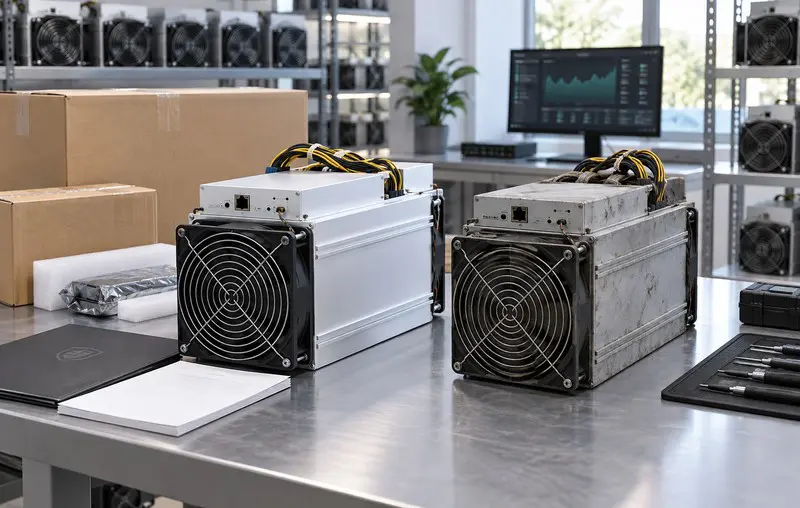
Cryptocurrency mining has evolved significantly. In the early days of Bitcoin, anyone could mine using a standard computer. Today, profitable mining requires specialized hardware known as an ASIC miner (Application-Specific Integrated Circuit miner).
For beginners, buying an ASIC miner can be confusing. There are hundreds of models, different hash rates, power consumption levels, mining algorithms, hosting options, and profitability factors to consider.
A wrong purchase decision can lead to:
- High electricity costs
- Low mining profitability
- Outdated hardware
- Expensive maintenance
- Poor return on investment (ROI)
This ASIC Miner Buying Guide explains everything you need to know before investing in mining equipment, including how to compare ASIC miners, calculate profitability, avoid common mistakes, and select hardware suitable for your mining goals. (Mineurs World)
What Is an ASIC Miner?
An ASIC miner is specialized mining hardware designed to perform one specific cryptocurrency mining algorithm.
Unlike:
- CPUs (general-purpose processors)
- GPUs (graphics processing units)
ASIC miners are built specifically for mining cryptocurrencies such as:
- Bitcoin (SHA-256 algorithm)
- Litecoin and Dogecoin (Scrypt algorithm)
- Kaspa (kHeavyHash algorithm)
- Other algorithm-based cryptocurrencies
Because ASIC machines are optimized for one task, they provide:
- Higher mining performance
- Better energy efficiency
- Faster hashing capability
However, they have less flexibility compared with GPU mining because they usually cannot mine multiple algorithms.
How Does ASIC Mining Work?
ASIC miners solve complex mathematical problems to validate cryptocurrency transactions and secure blockchain networks.
The mining process involves:
- The ASIC miner receives blockchain transaction data.
- The machine performs billions or trillions of calculations per second.
- The miner competes with other miners worldwide.
- Successful miners receive cryptocurrency rewards.
Mining performance is measured in:
Hash Rate
Hash rate represents how many calculations a miner can perform per second.
Examples:
- TH/s (Terahashes per second)
- GH/s (Gigahashes per second)
- PH/s (Petahashes per second)
Higher hash rates generally mean higher mining potential.
Example:
A Bitcoin ASIC miner producing:
- 100 TH/s
is significantly more powerful than one producing:
- 20 TH/s
Key Factors to Consider Before Buying an ASIC Miner
1. Mining Algorithm Compatibility
The first step in choosing an ASIC miner is identifying the cryptocurrency you want to mine.
Examples:
| Cryptocurrency | Algorithm | ASIC Type |
|---|---|---|
| Bitcoin | SHA-256 | Bitcoin ASIC Miner |
| Litecoin | Scrypt | Litecoin ASIC Miner |
| Dogecoin | Scrypt | Dogecoin ASIC Miner |
| Kaspa | kHeavyHash | Kaspa ASIC Miner |
A common beginner mistake is buying a powerful ASIC miner that cannot mine their preferred cryptocurrency.
Always confirm:
- Supported algorithm
- Supported coins
- Mining pool compatibility
2. Hash Rate Performance
Hash rate directly impacts mining capability.
When comparing ASIC miners, evaluate:
- Total hash rate
- Efficiency ratio
- Expected daily production
A higher hash rate does not always mean better profitability.
Example:
Miner A:
- Hash rate: 200 TH/s
- Power consumption: 4000W
Miner B:
- Hash rate: 150 TH/s
- Power consumption: 2500W
Miner B may produce better returns because electricity costs are lower.
3. Energy Efficiency: The Most Important Metric
Electricity is usually the largest mining expense.
ASIC efficiency is measured in:
Joules per Terahash (J/TH)
Lower efficiency numbers are better.
Example:
Miner:
- 20 J/TH
is more efficient than:
- 35 J/TH
Professional miners prioritize efficiency because it determines long-term profitability.
4. Electricity Cost Analysis
Before purchasing an ASIC miner, calculate your electricity cost.
Formula:
Daily Electricity Cost =
Power Consumption (kW) × 24 hours × Electricity Price
Example:
ASIC miner:
- Power usage: 3000W
- Electricity rate: $0.10/kWh
Calculation:
3 kW × 24 × $0.10
= $7.20 per day
Monthly electricity:
Approximately:
$216/month
Your mining revenue must exceed operating costs.
5. ASIC Miner Price and ROI Calculation
The cheapest ASIC miner is not always the best choice.
Evaluate:
- Purchase price
- Shipping cost
- Import taxes
- Electricity expenses
- Mining difficulty changes
- Cryptocurrency market conditions
ROI formula:
ROI Period =
Hardware Cost ÷ Monthly Profit
Example:
ASIC price:
$4,000
Monthly profit:
$400
Estimated ROI:
10 months
Remember:
Mining profitability changes constantly.
6. New vs Used ASIC Miners
Beginners often ask:
Should I buy a new or used ASIC miner?
New ASIC Miner Advantages
- Warranty coverage
- Better efficiency
- Lower failure risk
- Latest technology
Used ASIC Miner Advantages
- Lower upfront cost
- Faster ROI possibility
Used ASIC Miner Risks
- Reduced lifespan
- Damaged hash boards
- Overheating history
- No warranty
Before buying used equipment:
Check:
- Mining hours
- Repair history
- Hash board condition
- Power supply health
Best ASIC Miner Features Beginners Should Look For
A beginner-friendly ASIC miner should have:
Good Energy Efficiency
Lower operating costs.
Reliable Cooling System
Mining machines generate significant heat.
Cooling options include:
- Air cooling
- Hydro cooling
- Immersion cooling
Easy Management Interface
Look for:
- Remote monitoring
- Temperature tracking
- Firmware updates
- Mining pool configuration
Strong Manufacturer Support
Established ASIC manufacturers include:
- Bitmain
- MicroBT
- Canaan
- Goldshell
- IceRiver
ASIC Miner Buying Mistakes Beginners Should Avoid
Mistake 1: Buying Based Only on Hash Rate
High hash rate does not guarantee profitability.
Always analyze:
- Efficiency
- Electricity cost
- Network difficulty
Mistake 2: Ignoring Noise Levels
ASIC miners are loud.
Typical noise levels:
- 70–90 decibels
They may not be suitable for:
- Bedrooms
- Offices
- Apartments
Consider:
- Mining hosting facilities
- Dedicated mining rooms
Mistake 3: Not Checking Power Requirements
ASIC miners often require:
- High-voltage electrical connections
- Dedicated circuits
- Proper ventilation
Always verify:
- Voltage requirements
- Plug type
- Electrical capacity
Mistake 4: Buying From Unverified Sellers
ASIC mining hardware scams are common.
Before purchasing:
Check:
- Company reputation
- Customer reviews
- Payment security
- Warranty policy
- Return terms
How to Choose an ASIC Miner Based on Your Mining Goal
Goal: Beginner Home Mining
Prioritize:
- Lower power consumption
- Lower noise
- Simple setup
Suitable characteristics:
- Medium hash rate
- Efficient hardware
- Easy maintenance
Goal: Professional Mining Operation
Prioritize:
- Maximum efficiency
- Bulk purchasing options
- Hosting support
- Long-term reliability
Goal: Learning Cryptocurrency Mining
Focus on:
- Affordable entry cost
- Easy setup
- Educational value
Profit should not be the only objective.
ASIC Miner Setup Guide for Beginners
After purchasing your ASIC miner:
Step 1: Prepare Your Mining Location
Requirements:
- Stable electricity
- Internet connection
- Proper ventilation
- Cooling solution
Step 2: Connect Hardware
Typical setup:
- Connect power supply
- Connect Ethernet cable
- Turn on miner
- Locate miner IP address
Step 3: Configure Mining Pool
Popular mining pools include:
- Foundry USA Pool
- AntPool
- ViaBTC
- F2Pool
You need:
- Mining pool URL
- Worker name
- Wallet address
Step 4: Monitor Performance
Track:
- Hash rate
- Temperature
- Fan speed
- Rejected shares
- Power consumption
ASIC Miner Profitability: What Beginners Should Understand
Mining profitability depends on:
Cryptocurrency Price
Higher prices usually improve mining revenue.
Mining Difficulty
As more miners join:
- Difficulty increases
- Individual rewards decrease
Electricity Costs
Lower electricity rates create competitive advantages.
Hardware Efficiency
Newer machines usually provide better performance per watt.
Frequently Asked Questions (FAQ)
What is the best ASIC miner for beginners?
The best ASIC miner depends on your budget, electricity cost, mining goals, and preferred cryptocurrency. Beginners should prioritize efficiency, reliability, and ease of setup.
Are ASIC miners profitable in 2026?
ASIC mining profitability depends on cryptocurrency prices, electricity costs, network difficulty, and hardware efficiency. Always calculate profitability before purchasing.
How much does an ASIC miner cost?
ASIC miner prices vary widely depending on performance, manufacturer, and market conditions. Entry-level machines may cost hundreds of dollars, while high-performance models can cost several thousand dollars.
Can I mine Bitcoin with any ASIC miner?
No. Bitcoin requires SHA-256 ASIC miners. Other ASIC miners may support different algorithms.
How much electricity does an ASIC miner use?
Power consumption varies by model. Professional Bitcoin ASIC miners commonly consume several thousand watts.
Is ASIC mining better than GPU mining?
ASIC mining provides superior performance for supported algorithms, while GPU mining offers more flexibility.
Where should beginners buy ASIC miners?
Buy from verified suppliers like Minuers World, authorized distributors, or reputable marketplaces. Check warranty, reviews, shipping policies, and customer support.
Final Thoughts
Buying an ASIC miner is a serious investment that requires technical understanding and financial planning. The right machine depends on your electricity cost, mining goals, budget, and long-term strategy.
A successful beginner does not simply buy the most powerful miner. They choose hardware based on efficiency, reliability, profitability calculations, and realistic expectations.
Use this ASIC Miner Buying Guide for Beginners as a foundation before purchasing mining equipment and always research current market conditions before investing. The New Generation Keyless Repeater With FBS4